You sit down at the tavern. You didn't choose a quest. You chose a seat.
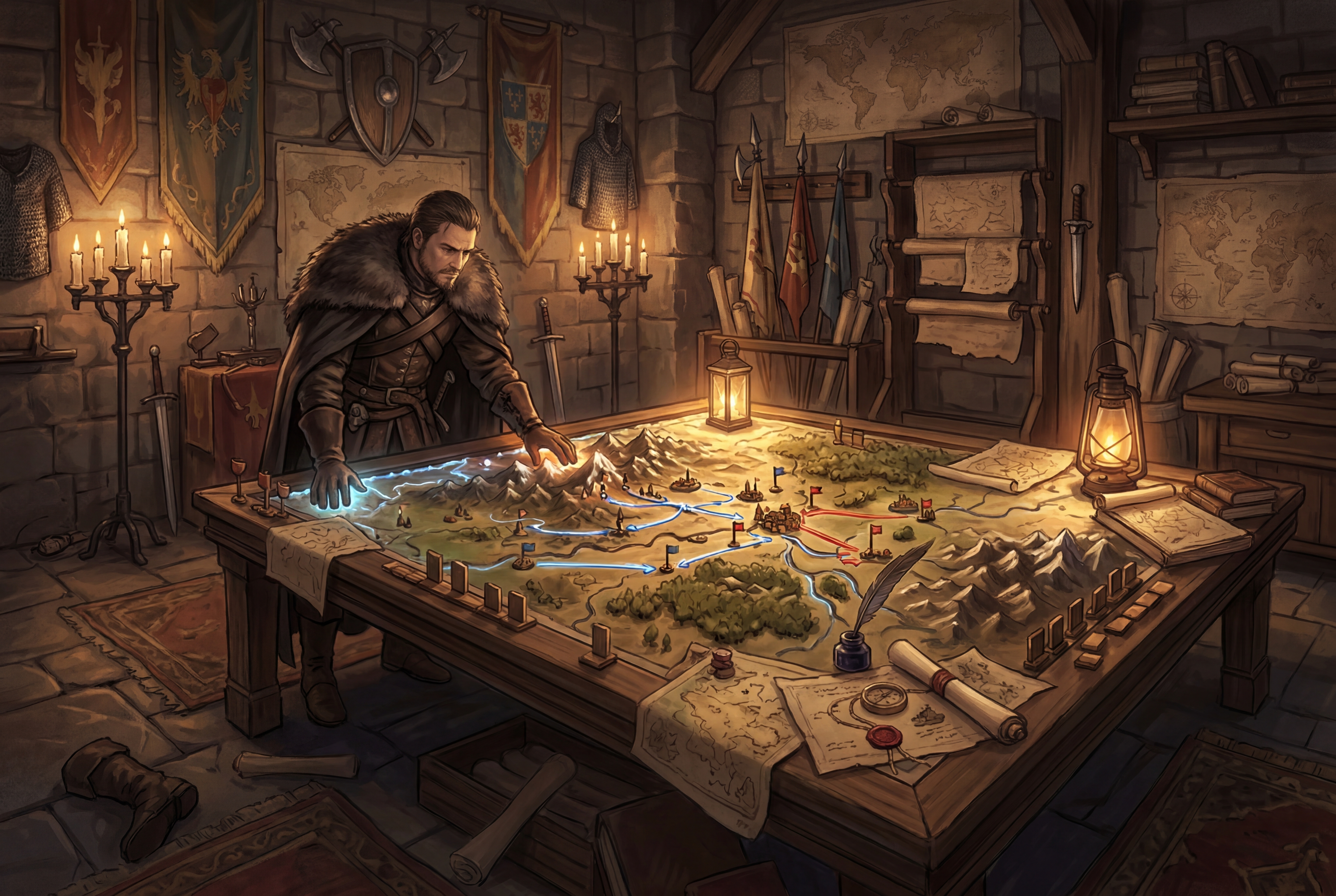
Most AI story tools ask you to describe what happens next. They put the creative burden on you, and when you run out of ideas, the story collapses. Open World in The Reader's Path works differently. You walk into a world that's already alive. Characters have routines, opinions, and agendas that exist whether you interact with them or not. The tavern keeper has a debt he owes. The woman in the corner booth is watching someone. The old man outside has been waiting for three days. None of this was scripted. The engine built it.
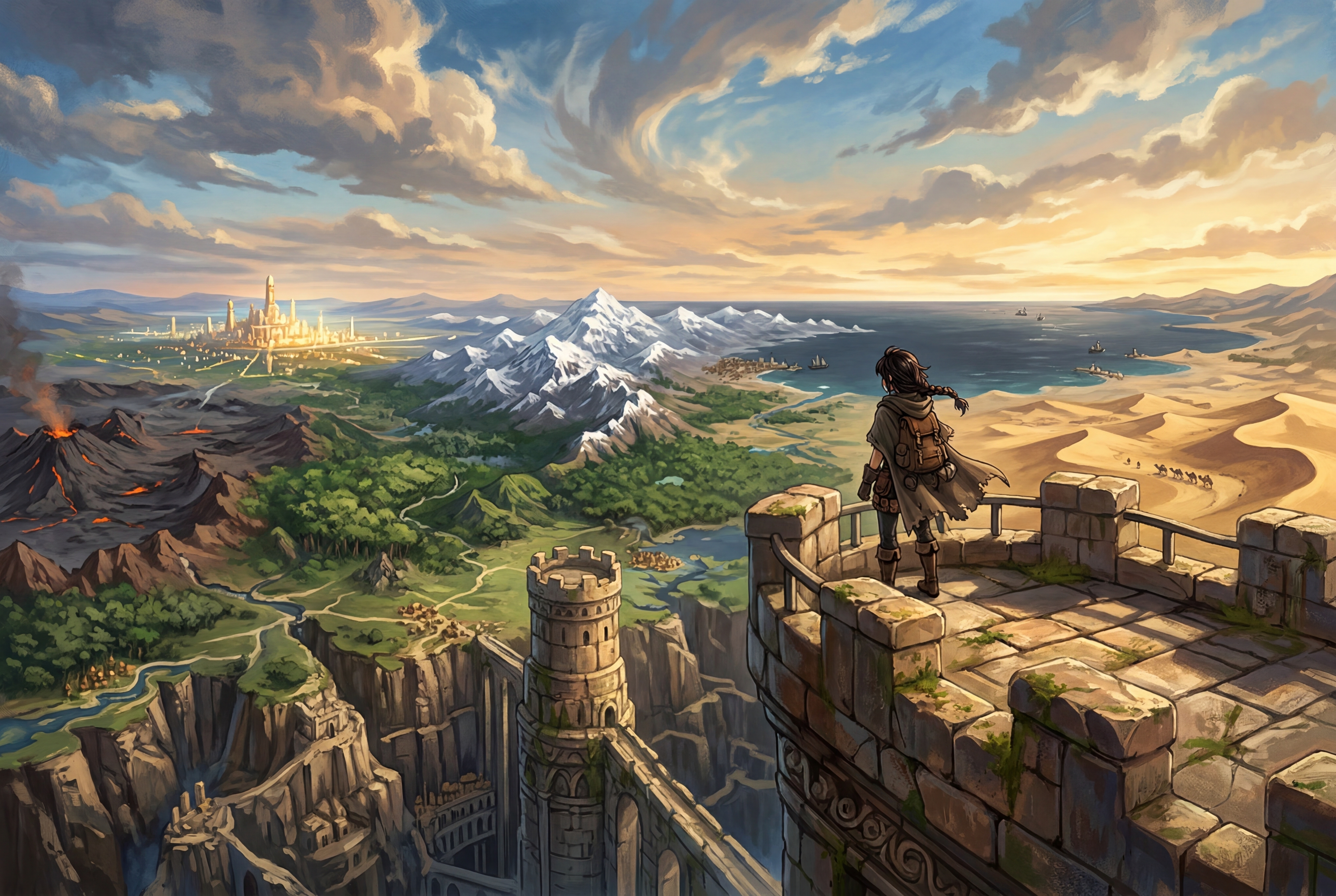
You can talk to anyone, go anywhere, or ignore everything and walk into the forest. The engine doesn't care about your compliance. It cares about what you find interesting. Spend three turns talking to the old man and the engine notices. Now it starts weaving his story into yours. Ignore the woman in the corner and she acts on her own agenda without you. The world moves forward whether you participate or not, and that's what makes it feel real.
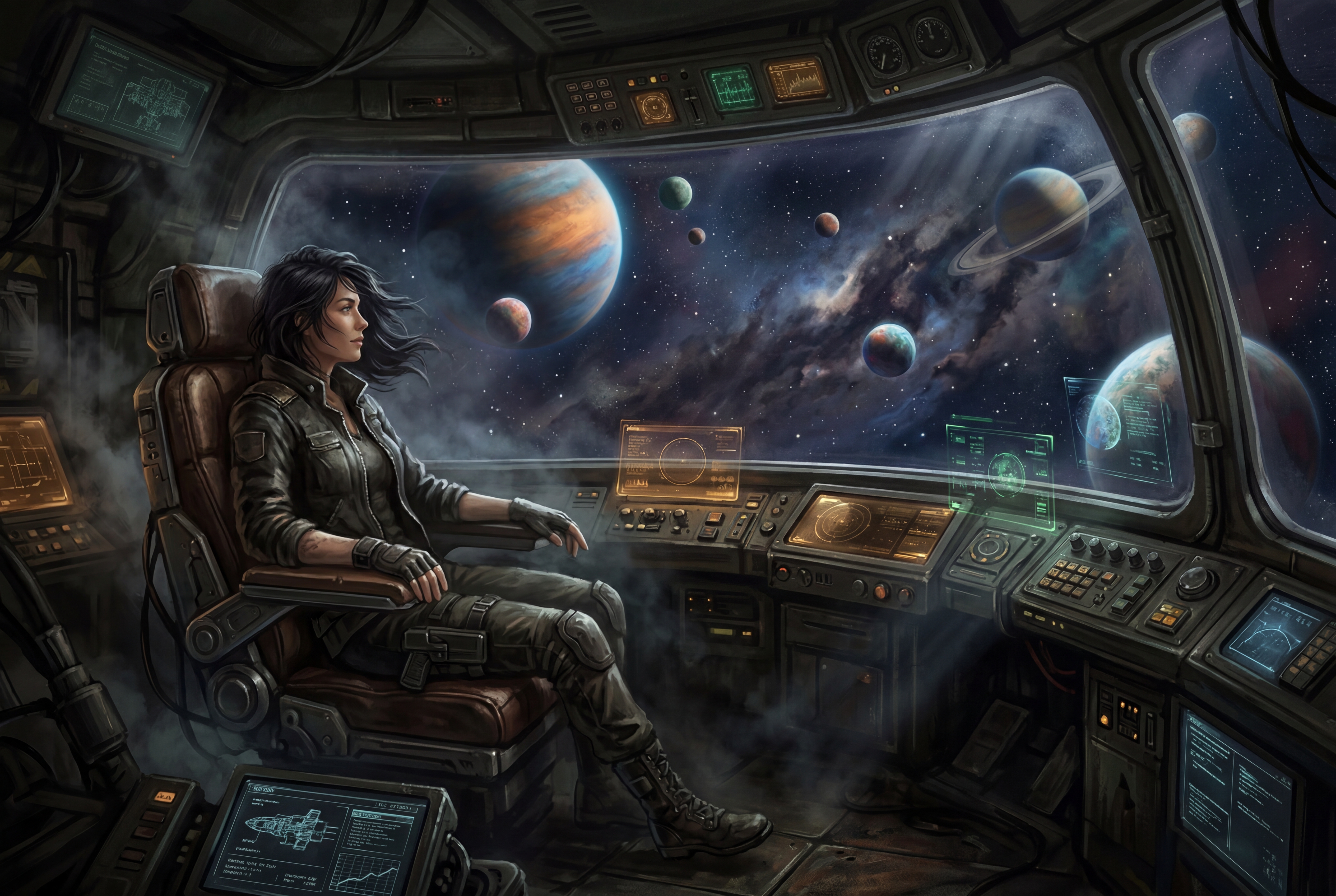
The party you build matters. Every companion has their own personality, their own relationships with each other, and their own opinions about what you're doing. The swordsman might respect your caution. The ghost might find it boring. The tree wizard might not care either way because he's watching a bird. These aren't stat blocks. They're characters with memory, and they remember how you made them feel ten turns ago.
Other tools break around turn 30. The AI forgets what happened, characters reset, and the story loses all weight. The Reader's Path tracks engagement, threads, and narrative moments across hundreds of turns. What you cared about on turn 5 echoes on turn 50. That's not a feature. That's the entire point.